Selecting the right window coverings is about more than completing the look of a room. The right choice can improve privacy, control natural light, enhance energy efficiency, and make everyday living more comfortable. Since every room in a home serves a different purpose, it’s worth considering how each space is used before deciding on blinds, shades, or other window treatments.
Rather than using the same style throughout the entire house, homeowners often achieve better results by choosing window coverings based on the function of each room while maintaining a cohesive overall design. Designers commonly recommend balancing practicality with aesthetics instead of relying on a one-size-fits-all approach.
Living Room: Balance Light and Privacy
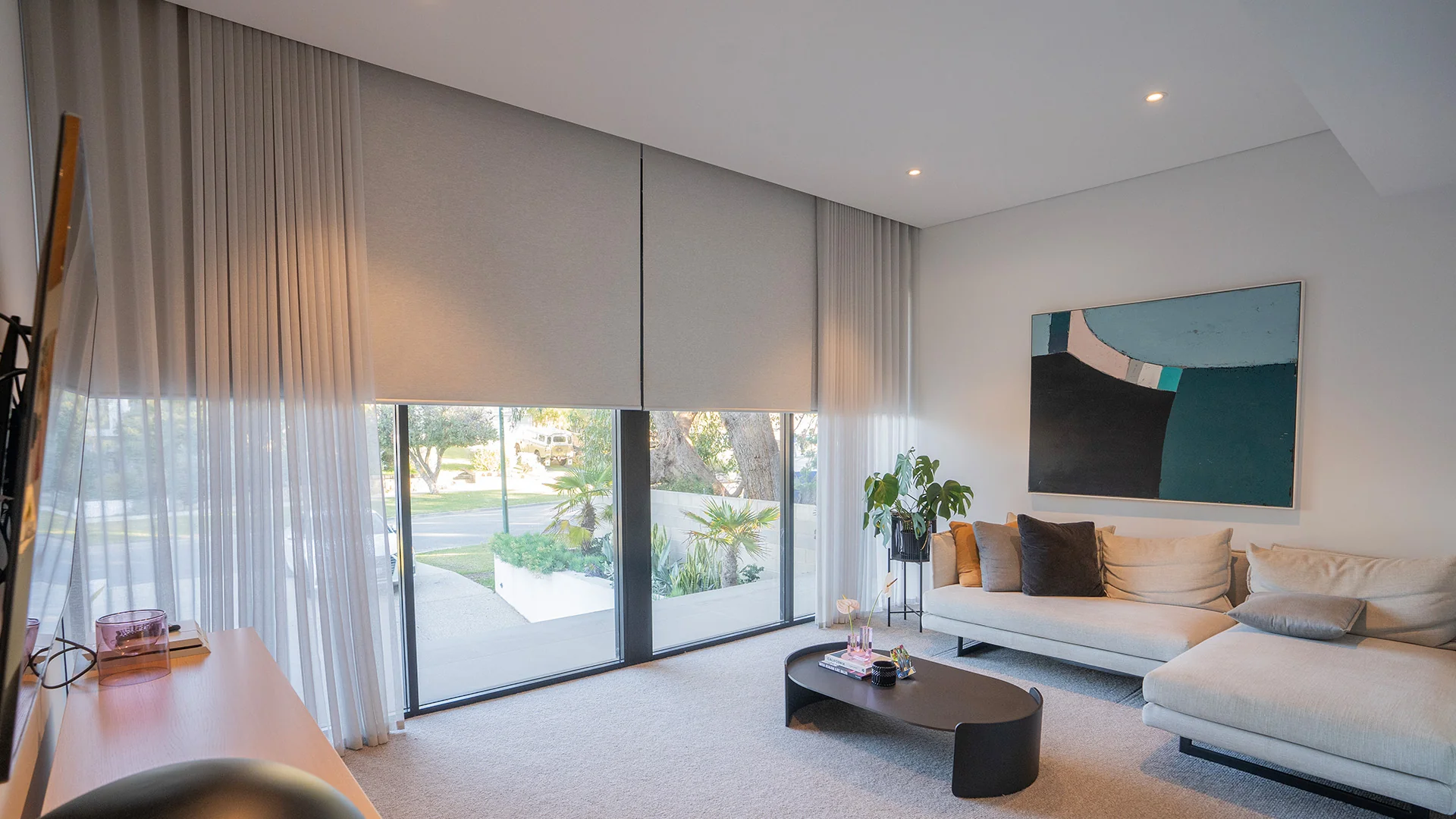
The living room is often the most frequently used area of the home. It’s where families gather, guests are entertained, and natural light helps create an inviting atmosphere.
Look for window coverings that:
- Filter sunlight without making the room feel dark
- Reduce glare on televisions and devices
- Maintain privacy during the day
- Complement your furniture and décor
Layering shades with decorative drapes is another effective way to create flexibility while adding depth and texture to the room.
Table of Contents
Bedroom: Prioritize Comfort and Rest
Bedrooms require a different approach because quality sleep often depends on controlling outside light.
Some of the best options include:
- Blackout shades
- Room-darkening roller shades
- Cellular shades
- Layered curtains and blinds
These treatments help create a darker environment while also improving privacy and reducing outdoor noise.
If your bedroom receives strong afternoon sun, insulated shades may also help keep the room cooler during warmer months.
Kitchen: Choose Practical Materials
Kitchens experience moisture, cooking odors, grease, and frequent cleaning. Because of this, window coverings should be durable and easy to maintain.
Popular choices include:
- Faux wood blinds
- Roller shades
- Solar shades
- Moisture-resistant materials
Avoid heavy fabrics that can absorb cooking smells or require frequent washing.
Bathroom: Privacy Comes First
Bathrooms demand complete privacy while still allowing natural light whenever possible.
Consider options such as:
- Frosted-style shades
- Faux wood blinds
- Vinyl blinds
- Top-down, bottom-up shades
These styles provide privacy without making the room feel enclosed.
Moisture-resistant materials are particularly important in bathrooms because humidity can shorten the lifespan of certain fabrics or natural wood products.
Home Office: Reduce Screen Glare
Many homeowners now spend hours working from home, making proper light control increasingly important.
The ideal office window covering should:
- Minimize glare on computer monitors
- Allow adjustable natural light
- Maintain privacy during video meetings
- Create a comfortable work environment
Light-filtering roller shades or adjustable blinds often provide the flexibility needed throughout the workday.
Dining Room: Add Style Without Sacrificing Function
Dining rooms typically don’t require complete blackout or maximum privacy, allowing homeowners to focus more on aesthetics.
Elegant Roman shades, woven wood shades, or layered drapery can create a welcoming atmosphere while still providing light control when needed.
Coordinating colors with nearby living spaces helps create a seamless flow throughout the home.
Children’s Rooms: Focus on Safety
Safety should always be a priority when selecting window coverings for children’s bedrooms or playrooms.
Look for features like:
- Cordless operation
- Durable materials
- Easy-to-clean fabrics
- Blackout options for naps
Modern cordless systems eliminate dangling cords while creating a cleaner appearance.
Large Windows and Sliding Doors
Oversized windows and patio doors often require specialized solutions.
Good options include:
- Vertical blinds
- Panel track shades
- Roller shades
- Motorized systems
These treatments provide smooth operation while maintaining the clean appearance of larger glass areas.
Many homeowners researching modern window treatments discover that minimalist shades and layered designs work particularly well for expansive windows, creating a streamlined look without overwhelming the space.
Consider Your Home’s Overall Design
Although every room has unique needs, maintaining some consistency throughout the home helps create visual harmony.
You don’t necessarily need identical treatments in every room, but repeating similar colors, materials, or hardware creates a more cohesive appearance.
Neutral tones remain popular because they work with changing furniture styles and décor over time.
Professional Measurement Makes a Difference
Even high-quality products can look unfinished if they don’t fit properly.
Accurate measurements help ensure:
- Better light control
- Improved insulation
- Cleaner lines
- Smoother operation
- A custom appearance
Homeowners looking for professionally fitted window coverings often find that tailored solutions provide a more polished finish while improving both comfort and long-term performance.
Choosing the right window coverings is about understanding how each room functions. Bedrooms benefit from blackout options, kitchens need durable materials, bathrooms require privacy, and living spaces often call for a balance of light control and style.
Taking a room-by-room approach allows homeowners to create spaces that are both beautiful and practical. With thoughtful planning and carefully selected materials, window coverings can enhance comfort, improve energy efficiency, and contribute to a home that feels cohesive from one room to the next.
Be First to Comment