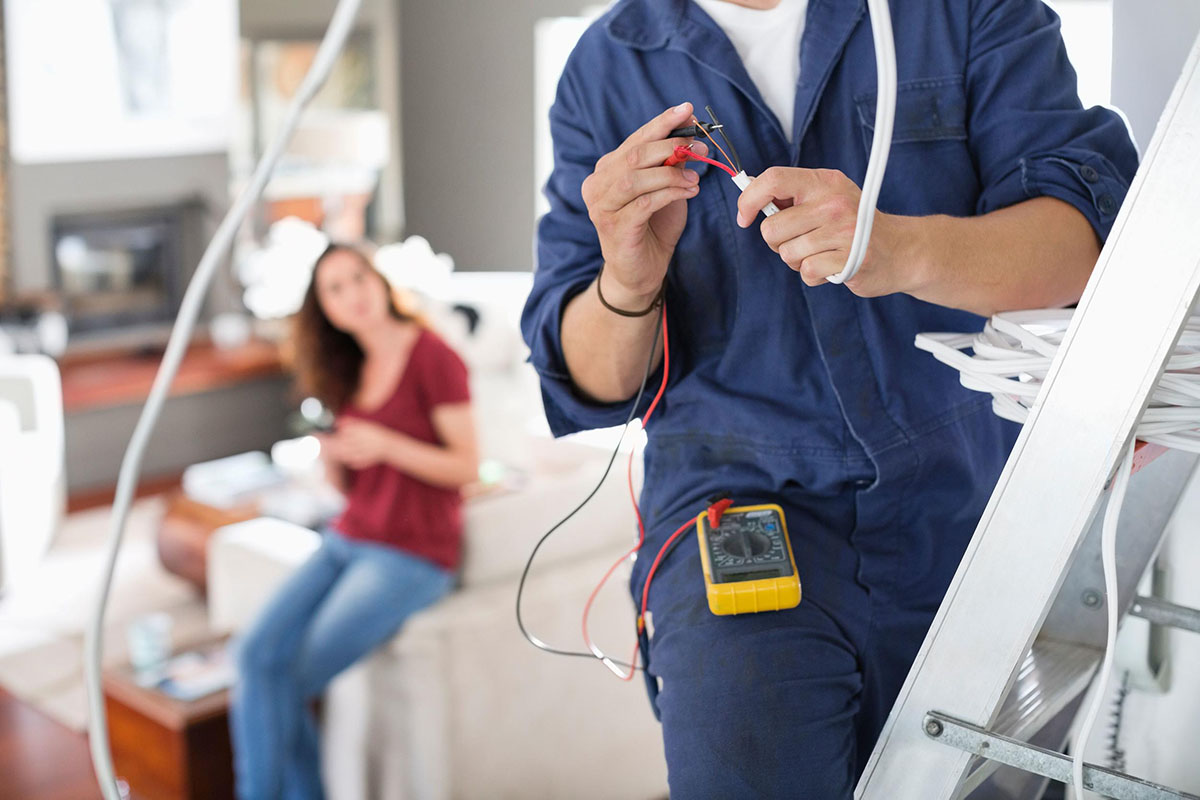
Electrical systems are one of the most critical components of any residential or commercial property. From powering essential appliances to ensuring lighting, heating, and security systems function properly, electricity supports daily life in countless ways. Despite its importance, electrical work is often misunderstood or underestimated, leading some property owners to overlook the value of professional qualifications when addressing electrical needs. Hiring a licensed electrician is not just a formality — it is a fundamental requirement for safety, reliability, and long-term performance.
Electrical installations and repairs involve complex systems that must operate within strict safety standards. Even small errors can lead to serious consequences, including electrical fires, equipment damage, or personal injury. Licensed electricians undergo rigorous training and certification processes to ensure they are capable of handling these systems responsibly. Understanding why licensing matters helps property owners make informed decisions when selecting electrical professionals.
Table of Contents
What It Means to Be a Licensed Electrician
A licensed electrician is a professional who has met specific education, training, and examination requirements established by regulatory authorities. Licensing ensures that the electrician possesses the technical knowledge and practical experience necessary to perform electrical work safely and correctly. This process typically includes formal education, apprenticeships, and passing standardized exams that test understanding of electrical codes and safety practices.
Licensing also holds electricians accountable to industry standards. Regulatory bodies enforce compliance with building codes and safety regulations, which helps protect property owners from substandard work. When an electrician is licensed, it demonstrates a commitment to professionalism and adherence to established electrical guidelines.
Safety and Risk Reduction
Electrical work inherently involves risks, especially when dealing with high-voltage systems, wiring networks, and electrical panels. Licensed electricians are trained to identify hazards and implement appropriate safety measures during installations and repairs. Their expertise reduces the likelihood of accidents, injuries, and long-term system failures.
Unlicensed or improperly trained individuals may overlook critical safety protocols or misjudge electrical loads, leading to dangerous outcomes. Faulty wiring, improper grounding, and incorrect breaker installations are common issues associated with unqualified work. Over time, these errors can create hidden dangers within walls and panels. Hiring a professional such as Great North Electrician ensures that safety is prioritized from start to finish, protecting both occupants and property.
Compliance With Electrical Codes and Regulations
Electrical codes exist to establish minimum safety standards for wiring, equipment, and installations. These codes evolve over time as technology advances and safety research improves. Licensed electricians stay current with code updates and understand how to apply them correctly in different property types and situations.
Failure to comply with electrical codes can result in failed inspections, fines, or complications during property sales. Insurance claims may also be denied if electrical work does not meet code requirements. Licensed electricians ensure that all work complies with applicable regulations, reducing legal and financial risks for property owners.
Quality of Workmanship and System Reliability
Professional licensing is closely tied to workmanship quality. Licensed electricians are trained to perform work methodically, using proper materials, tools, and techniques. This attention to detail enhances system reliability and minimizes the likelihood of recurring electrical problems.
Electrical systems installed or repaired by licensed professionals tend to perform more consistently over time. Properly sized circuits, secure connections, and correctly installed components contribute to efficient power distribution. When work is done right the first time, property owners avoid repeated disruptions and unnecessary repair costs.
Protection of Property Value
Electrical systems play a significant role in determining property value. Buyers, inspectors, and appraisers often evaluate the condition of electrical infrastructure when assessing a property. Evidence of professional, licensed electrical work can increase buyer confidence and support higher valuations.
Conversely, signs of amateur or unlicensed electrical work can raise concerns and reduce market appeal. Potential buyers may factor in the cost of correcting unsafe or non-compliant wiring. Hiring licensed professionals helps maintain the integrity of the property and protects its long-term value.
Insurance and Liability Considerations
Insurance providers frequently require electrical work to be performed by licensed professionals. In the event of electrical damage, fires, or accidents, insurers may investigate whether the work was completed according to regulations. Unlicensed work can complicate claims and potentially lead to denied coverage.
Licensed electricians typically carry liability insurance, which provides an additional layer of protection for property owners. This coverage helps address damages or injuries that may occur during electrical work. Choosing licensed professionals reduces exposure to financial liability and ensures accountability.
Expertise Across Residential and Commercial Properties
Electrical demands vary significantly between residential and commercial properties. Licensed electricians are trained to understand these differences and adapt their approach accordingly. Residential properties often require detailed attention to wiring layouts, panel capacity, and safety features, while commercial properties involve more complex systems and higher power demands.
Licensed professionals possess the technical expertise to manage diverse electrical requirements efficiently. Whether addressing lighting systems, electrical panels, or specialized equipment, they apply industry knowledge to ensure reliable operation. Property owners seeking dependable Electrical Services benefit from professionals who understand the nuances of different property types.
Long-Term Cost Efficiency
While hiring a licensed electrician may involve higher upfront costs compared to unlicensed alternatives, it often results in greater long-term savings. Quality workmanship reduces the frequency of repairs, minimizes downtime, and prevents damage to appliances and systems. Proper installations also enhance energy efficiency by ensuring electricity flows as intended without unnecessary losses.
Unqualified electrical work may lead to repeated issues that require correction, increasing overall expenses. In contrast, licensed electricians provide durable solutions that stand the test of time. Investing in professional electrical work contributes to consistent performance and reduced maintenance costs over the lifespan of the system.
Conclusion
Hiring a licensed electrician is a critical decision that directly impacts the safety, reliability, and value of a property. Licensed professionals bring verified expertise, adherence to regulations, and a commitment to quality workmanship that protects both people and infrastructure. From code compliance to insurance considerations, licensing plays a vital role in ensuring electrical systems function as intended.
Property owners who choose licensed electricians benefit from peace of mind and long-term system stability. By prioritizing professional qualifications, they safeguard their investment and ensure that electrical systems continue to support daily life safely and efficiently.
Be First to Comment