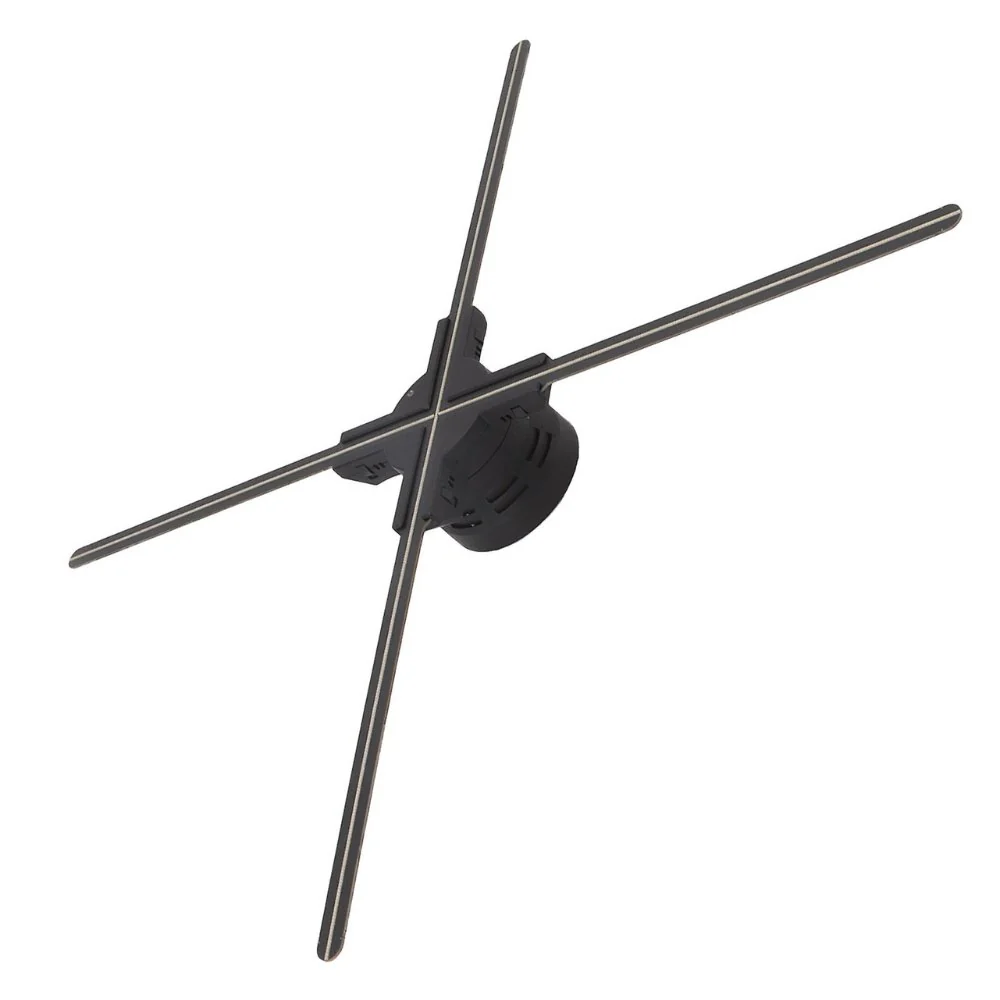
Imagine walking down a bustling city street, surrounded by the typical sights and sounds of urban life. But as you approach a shop window, something catches your eye – a mesmerizing 3D holographic display floating in mid-air, showcasing the latest product in vivid detail. This is not science fiction, but the future of advertising with 3D holographic fans. Holofex.com stands at the forefront of this revolution, offering cutting-edge solutions that push the boundaries of traditional advertising methods. As businesses strive to stand out in a crowded market, incorporating holographic displays into their marketing strategies can provide a unique and attention-grabbing platform for engaging with consumers. As technology advances at an exponential rate, traditional forms of advertising are evolving into immersive experiences that blur the lines between reality and virtuality.
Overview of current advertising methods
Advertisers today are constantly looking for innovative ways to captivate their audience in a world oversaturated with traditional marketing methods. From social media ads to influencer partnerships, the current advertising landscape is dynamic and ever-evolving. One of the latest trends gaining traction is the use of immersive experiences, such as augmented reality filters and virtual reality ads, to create more engaging interactions with consumers.
Additionally, personalized advertising has become increasingly popular as brands strive to deliver targeted content tailored to individual preferences. By leveraging data analytics and artificial intelligence, advertisers can now customize their messages based on consumer behavior and demographic information. This shift towards more personalized marketing initiatives not only enhances user experience but also improves ad relevancy and effectiveness in driving conversions.
This trend signifies a move towards more interactive and targeted approaches that prioritize engagement and relevance over traditional one-size-fits-all strategies. Advertisers who embrace these new methods are better positioned to connect with their audiences on a deeper level and drive meaningful results for their brands.
Explanation of the technology and its potential
In the realm of advertising, the emergence of 3D holographic fans is reshaping the way brands engage with their audiences. This cutting-edge technology uses spinning LED blades to create stunning 3D visuals that captivate viewers in a unique and immersive way. Imagine walking down a busy street and being greeted by a larger-than-life hologram advertising the latest product release, or attending an event where brand messages come to life in mesmerizing holographic form.
The potential for this technology is vast, extending beyond traditional advertising methods to create memorable and engaging experiences for consumers. With its ability to deliver dynamic content that stands out in crowded spaces, 3D holographic fans have the power to revolutionize marketing strategies across various industries. Brands can leverage this technology to drive brand awareness, increase engagement, and leave a lasting impression on their target audience, ultimately shaping the future of advertising in an unforgettable way.
Benefits of using 3D holographic fans
Imagine walking down a busy street and being mesmerized by 3D images floating in the air, seamlessly blending reality with futuristic technology. This is the power of 3D holographic fans, revolutionizing the way advertising captures attention and engages consumers. With their ability to project stunning visuals in mid-air, these fans create an immersive experience that captivates audiences like never before.
One of the key benefits of using 3D holographic fans is their versatility in displaying dynamic content that can change in real-time. Brands can easily update their advertisements or promotions without the need for physical materials or labor-intensive setups. This flexibility allows for more targeted marketing campaigns and ensures that messages stay relevant and fresh in a fast-paced digital world. Integrated with interactive features, these fans provide a personalized experience that resonates with consumers on a deeper level, making marketing efforts more impactful and memorable.
Increased engagement, brand visibility, and impact
Imagine a world where traditional advertising methods no longer cut through the noise. In this rapidly evolving landscape, 3D holographic fans are emerging as game-changers for brands looking to increase engagement and visibility. By leveraging this cutting-edge technology, companies can captivate audiences in ways never seen before, creating a lasting impact that goes beyond the confines of traditional marketing strategies.
With 3D holographic fans, brands can immerse consumers in unforgettable experiences that break through the clutter of conventional advertising. These futuristic displays not only grab attention but also leave a lasting impression, enhancing brand visibility and recognition. As consumer habits evolve and attention spans diminish, harnessing the power of 3D holographic fans is poised to revolutionize how brands connect with their target audiences, driving engagement levels to new heights while making a tangible impact on the bottom line.
Potential applications in various industries
The potential applications of 3D holographic fans in various industries are truly groundbreaking. In the retail sector, these fans could revolutionize the way products are showcased, offering immersive experiences that drive engagement and boost sales. Imagine walking into a store and being greeted by a lifelike hologram promoting the latest collection – it’s an attention-grabbing innovation that sets brands apart.
Moving beyond retail, 3D holographic fans have immense potential in the entertainment industry. Concerts, events, and shows could be transformed with dynamic holographic performances that captivate audiences like never before. This technology opens up endless creative possibilities, allowing artists to push the boundaries of live entertainment and create unforgettable experiences for their fans. The future is bright for 3D holographic fans across industries, promising a new era of interaction and engagement.
Healthcare, entertainment, retail, events
In the realm of healthcare, the use of 3D holographic fans presents a revolutionary way to educate patients and medical professionals alike. Imagine interactive holograms displaying detailed anatomy models or showcasing surgical procedures in real-time. This technology has the potential to enhance medical training, patient consultations, and even telemedicine services by offering a more immersive and engaging experience.
The entertainment industry is also set for a major transformation with 3D holographic fans. Concerts, movie premieres, and live events can be brought to life in ways never seen before, allowing audiences to enjoy immersive experiences from the comfort of their homes or public spaces. Fans could interact with virtual performers or experience mind-bending visual effects that blur the line between reality and fiction. This shift towards digitized entertainment opens up endless creative possibilities for artists and creators looking to captivate audiences in unique ways. the integration of holographic devices in advertising marks a significant advancement in the marketing landscape.
Moving on to retail, businesses are already experimenting with using 3D holographic fans as eye-catching displays in stores and malls. By creating dynamic advertisements that literally pop out at customers, retailers can draw people in with captivating visuals and personalized promotions tailored to individual preferences. This form of advertising could revolutionize the shopping experience by making it more interactive and memorable while providing valuable insights into consumer behavior through data analytics gathered from customer interactions with these holographic displays.
Lastly, events such as conferences, trade shows, and product launches stand to benefit immensely from incorporating 3D holographic fans into their presentations.
Conclusion:
In conclusion, the integration of 3D holographic fans in advertising represents a revolutionary leap into the future of marketing strategies. The ability to captivate audiences with immersive and interactive visual displays opens up endless possibilities for brands to create unique and memorable experiences. As technology continues to evolve at a rapid pace, we can expect to see even more innovative applications of holographic technology in advertising campaigns.
With the potential to break through the noise of traditional marketing channels, 3D holographic fans offer a dynamic platform for brands to showcase their products and engage consumers in ways never seen before. By harnessing the power of augmented reality and mixed reality technologies, advertisers have a powerful tool at their disposal to create personalized and targeted campaigns that resonate with their target audience on a deeper level. As we look towards the future, it’s clear that 3D holographic fans will play an integral role in shaping the next generation of advertising strategies.

Be First to Comment